
When it comes to low-carb diets, there’s no one-size-fits-all solution. Instead, the key to success lies in finding your ideal carb intake—the sweet spot that works for your body’s unique needs and energy requirements. A quick Google search may provide formulas to help you determine the perfect number of carbs, but the truth is, these formulas aren’t always accurate because everyone’s body and lifestyle are different. What works for one person might not work for another.
Most people thrive on eating somewhere between 30-150 grams of net carbs per day (net carbs means you can subtract fiber and sugar alcohols like xylitol from your daily total). Ultimately, finding your ideal carb intake requires a bit of trial and error, as well as a basic understanding of carbohydrates.
Understanding Simple Carbs and Complex Carbs
To begin finding your ideal carb intake, it’s important to differentiate between simple and complex carbs. Simple carbs are found in processed foods, often soft in texture, and offer little nutritional value. Examples include refined flours (white bread, baked goods) and white rice—foods that have been stripped of their natural high-fiber content. Soda, candy, and sweeteners like table sugar and honey are also simple carbs.
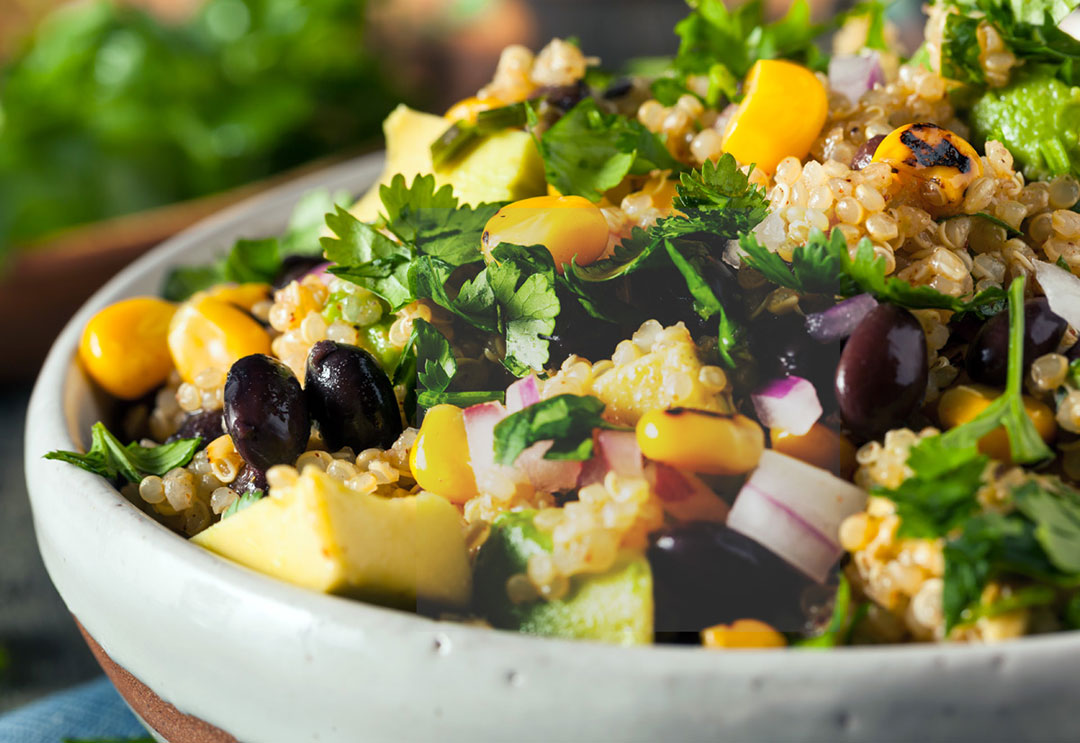
Complex carbs, on the other hand, are found in natural food sources and come packed with essential vitamins, minerals, and antioxidants. Examples include oatmeal, brown rice, quinoa, potatoes, beans, peas, and lentils. These carbs take longer to digest and absorb, providing your body with sustained energy and essential nutrients. This slower digestion process is critical when it comes to finding your ideal carb intake—complex carbs help you avoid the sharp blood sugar spikes and crashes caused by simple carbs.
Carb Quality and Timing
When you focus on finding your ideal carb intake, it’s not just about the number of carbs but also the quality and timing. Healthy complex carbs, such as vegetables, quinoa, and sweet potatoes, are better choices than highly refined foods like white bread or French fries. Your body processes whole foods more efficiently than it does processed grains and sugars.
Timing is equally important in finding your ideal carb intake. Never start your day with carbs, as this will spike your blood glucose levels and create a yo-yo effect throughout the day. Instead, stick to fat and protein for stable energy and save the majority of your carbs for dinner. When you eat carbs later in the day, you give your body the chance to burn through fat reserves during the morning and afternoon, optimizing your metabolism and energy levels.
Finding Your Ideal Carb Intake: What Works for You?
Ultimately, finding your ideal carb intake is a personal journey. The amount and timing of carbs you consume should reflect your lifestyle, activity levels, and health goals. For athletes or those with highly active lifestyles, more carbs might be necessary to support performance and recovery. Conversely, individuals with sedentary lifestyles may require fewer carbs to maintain optimal health.
Pay close attention to how you feel when you adjust your carb intake. Are you more energetic? Do you feel sluggish after meals? Are your workouts improving? These are all clues to finding your ideal carb intake.
6 Tips for Finding Your Ideal Carb Intake with Nutrient-Dense Carbs
If you’re ready to start finding your ideal carb intake, here are some practical tips to get you started with healthier carb choices:
- Get starch from beans and lentils instead of breads, potatoes, pasta, or rice.
- Use zucchini spirals or spaghetti squash as a pasta alternative for a nutrient-dense base or side dish.
- Substitute cauliflower rice for white rice—it’s loaded with vitamins and supports digestion and inflammation reduction.
- Snack on kale chips instead of low-quality, simple-carb chips. They come in a variety of flavors to keep things interesting.
- Add chia seeds to your smoothies or salads for an easy way to boost your intake of healthy carbs and fiber.
- Eat plenty of raw, leafy greens and non-starchy vegetables like beets, kale, leeks, and peppers with every meal to ensure you’re getting vital nutrients without unnecessary carbs.
Conclusion: The Path to Finding Your Ideal Carb Intake
Finding your ideal carb intake takes time and patience, but once you discover what works best for your body, you’ll notice improvements in your energy, performance, and overall well-being. Focus on the quality and timing of your carbs, and adjust based on your personal needs. Remember, there’s no magic number when it comes to carbs—only the number that makes you feel your best.

Meet Christine Fitzgerald
Christine Fitzgerald is a two-time published author, a certified nutritionist, and holds a Master’s in Nutrition. Christine specializes in hormone education, testing, and balance; weight management; athletic performance; and recovery. She holds quarterly nutrition seminars across all ClubSport clubs.