“Tuck,” “pulse,” “bend,” “lengthen,” “point,” and “turn out” are all terms more associated with dance than with one of the most inclusive, effective, and popular fitness trends of recent times. While barre certainly has its origins in ballet, don’t let that intimidate you. The benefits of the barre workout extend far beyond graceful moves and choreography—no tap shoes or leotards required (unless that’s your thing, of course).
Barre was first introduced to the Northeastern United States over 40 years ago. However, it didn’t become widely popular until the early 2000s, when barre franchises brought the method to cities nationwide. Since then, barre has only grown in popularity, and for good reason—the benefits of the barre workout are undeniable. So, why all the buzz around this ballet-inspired fitness phenomenon?
Why Barre Works for Everyone
“Because it works,” says Channing Azzolino, director of Absolute Barre at ClubSport Pleasanton. Barre delivers results that anyone can achieve, no matter their age, weight, or fitness level. It combines strengthening, lengthening, and core work in a way that’s non-impact, safe, and always challenging, making it one of the most accessible workouts available today.
One of the key benefits of the barre workout is its versatility. While barre is traditionally more popular among women due to its ballet roots, more men are beginning to recognize the intense challenge it offers. Barre is an excellent way to build strength, improve flexibility, and tone the body without the need for high-impact exercises.
What to Expect in a Barre Class
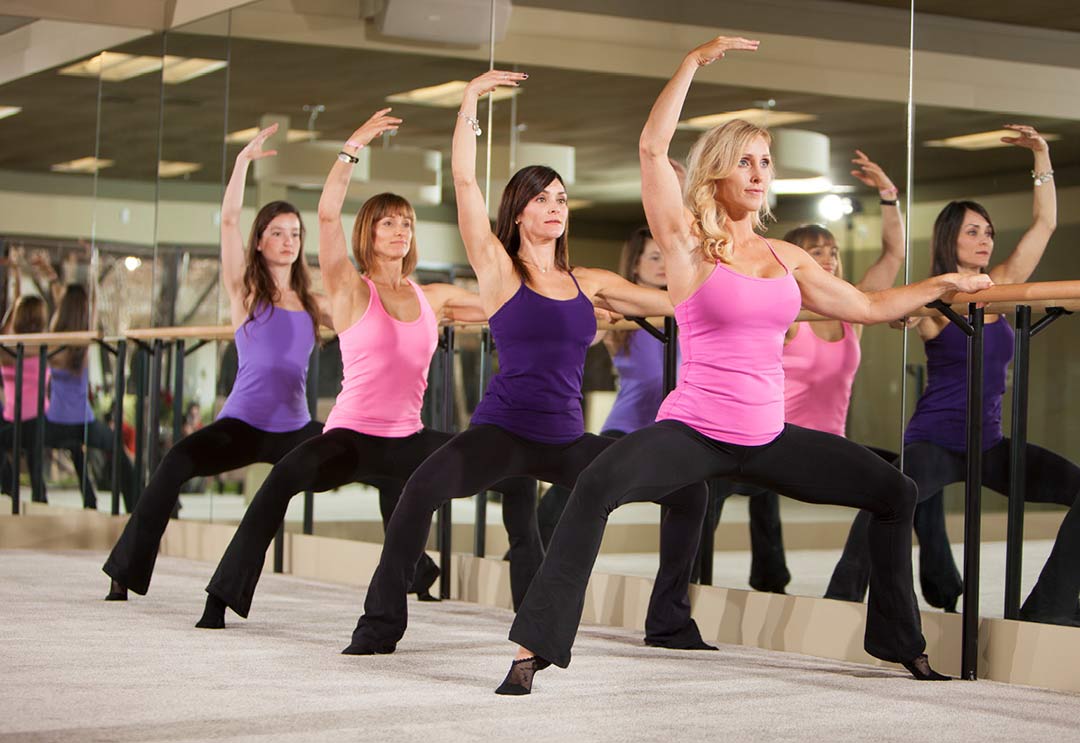
Most barre classes follow a similar structure, making it easy for beginners to get started while still offering advanced students a challenge. You’ll begin with a warm-up full of planks and push-ups, move to upper-body workouts with light resistance, and then transition to the barre itself for lower-body work that targets your thighs and glutes. Classes typically finish with core-focused exercises and a cool-down.
A significant aspect of the benefits of the barre workout lies in its reliance on isometric movements—tiny, one-inch raises that engage your muscles for longer periods. These movements might feel small, but they lead to big results. If you feel like your muscles are shaking like JELL-O during and after the class, don’t worry—that’s a sign your muscles are working hard.
“You’ll definitely be sore the next day,” promises Channing. “Thighs, glutes, calves, triceps, and abdominals—all will feel the burn. But the best thing you can do is go back to class again to work through it.”
The Physical Benefits of the Barre Workout
Stick with barre, and you’ll quickly notice the physical benefits. Within a few weeks, you’ll see changes in your waistline, along with improved shape and tone in your legs, butt, and abs. Barre also strengthens your back muscles and helps sculpt your upper body. It’s a full-body workout that can help improve posture, flexibility, and balance.
One of the major benefits of the barre workout is how it targets the core, leading to a stronger, more stable midsection. Many students also experience relief from lower back and hamstring tightness within the first 30 days of consistent practice.
Can Barre Improve Cardiovascular Health?
Yes! While barre may not seem like a traditional cardio workout, it can raise your heart rate high enough to provide cardiovascular benefits. If weight loss is your primary goal, you may want to add additional cardio sessions to your fitness routine, but barre alone is an excellent way to stay in shape and keep your heart healthy.
“The workout raises the heart rate enough and for long enough to promote cardiovascular health,” says Channing. “Depending on your goals, you might want to add more cardio to burn additional calories, but barre is a great foundation for overall fitness.”
The Role of Music in Barre
Another reason barre is so enjoyable is the music. The right playlist can make a huge difference during class, energizing you for the challenging sections and helping you relax during stretches and cool-downs. This adds to the overall experience and helps you push through tough moments.
Channing notes that music is an integral part of the barre experience: “The right music can stimulate that part of the brain that helps you work harder and longer during intense parts of the class while easing you into stretching and meditation when needed.”
How to Find the Right Barre Studio
If you’re new to barre, finding the right studio is crucial to ensuring you enjoy all the benefits of the barre workout. According to Channing, here are four key things to look for when choosing a barre studio:
- Welcoming Environment: The space should be clean, comfortable, and inviting, with safe and well-maintained equipment.
- Supportive Staff: Your instructor should take the time to introduce themselves, ask about any injuries or limitations, and help you feel prepared for the class.
- Clear Instruction: Instructors should provide verbal and physical guidance, offering clear explanations and demonstrations. Their focus should be on the participants, ensuring everyone feels confident in the moves.
- Comfort and Safety: Above all, you should feel good and safe during your barre class. The environment and instruction should make you feel comfortable and encouraged to return.
Final Thoughts on the Benefits of the Barre Workout
Now that you know the incredible benefits of the barre workout, it’s time to give it a try. Stick with it, and you’ll soon notice improvements in strength, flexibility, and muscle tone. Feel the burn, embrace the shakes, and watch as your body transforms, reflecting all of your hard work.
Whether you’re looking to tone up, improve your flexibility, or just try something new, barre offers an inclusive, effective workout for all fitness levels.